-Watertown NY / By Hans Wilder
Every election cycle, America runs the same reality show.
“If he wins, I’m moving to Canada!”
It’s our national version of threatening to run away from home. Except instead of packing a bindle and hopping a freight train, people Google “How to move to Vancouver” and assume maple leaves function as universal housing vouchers.
And then—plot twist—immigration law shows up.
Turns out Canada has this wild concept called a visa. Not the credit card. The other one. The one that doesn’t come with a job, a welfare check, or a condo overlooking the Pacific.
You can visit. You can take selfies with a moose. You can buy a $14 latte in downtown Vancouver and reflect on your moral superiority. But work? Collect benefits? Set up shop indefinitely?
Not so fast, Che Guevara of the suburbs.
Canada, despite the popular mythology, is not a 24-hour socialist buffet where Americans just walk in, grab a plate, and start humming “O Canada” in four-part harmony. It’s a country with immigration rules, labor protections, and—brace yourself—housing costs that make Manhattan blush.
Vancouver rents look like someone added an extra zero by accident. They didn’t.
So now you’ve got political expatriates discovering the difference between tweeting about borders and actually crossing one. A visitor visa is basically a tourist wristband. It gets you into the park. It does not get you a job at the snack stand.
And the great Canadian escape becomes… a logistical inconvenience.
The irony is almost poetic. For years, certain corners of the American political universe have mocked the idea of borders, enforcement, or national preference. Then they attempt their own cross-border migration and discover that sovereign nations have policies. Paperwork. Limits.
It’s amazing what reality can do for one’s appreciation of bureaucracy.
Of course, the louder commentary now insists this was all misunderstood. Nobody really meant they were moving. It was symbolic. A metaphor. A vibes-based relocation.
Yes. Of course.
But here’s the deeper point beneath the parking-lot punchlines.
Modern politics has turned emigration into performance art. Moving to Canada isn’t about Canada. It’s about signaling despair, virtue, resistance, identity. It’s the political equivalent of dramatically announcing you’re deleting social media—then posting about it.
And Canada, bless its orderly heart, isn’t interested in being America’s emotional support country.
There’s also a fundamental misunderstanding baked into the fantasy: every nation, left or right, progressive or conservative, prioritizes its own citizens first. Even the most socially generous systems are built on the assumption that the tax base is finite and membership matters.
That’s not cruelty. That’s arithmetic.
So when reality intrudes—when someone learns that maple syrup socialism comes with line items and eligibility requirements—the shock is less about Canada and more about expectations colliding with policy.
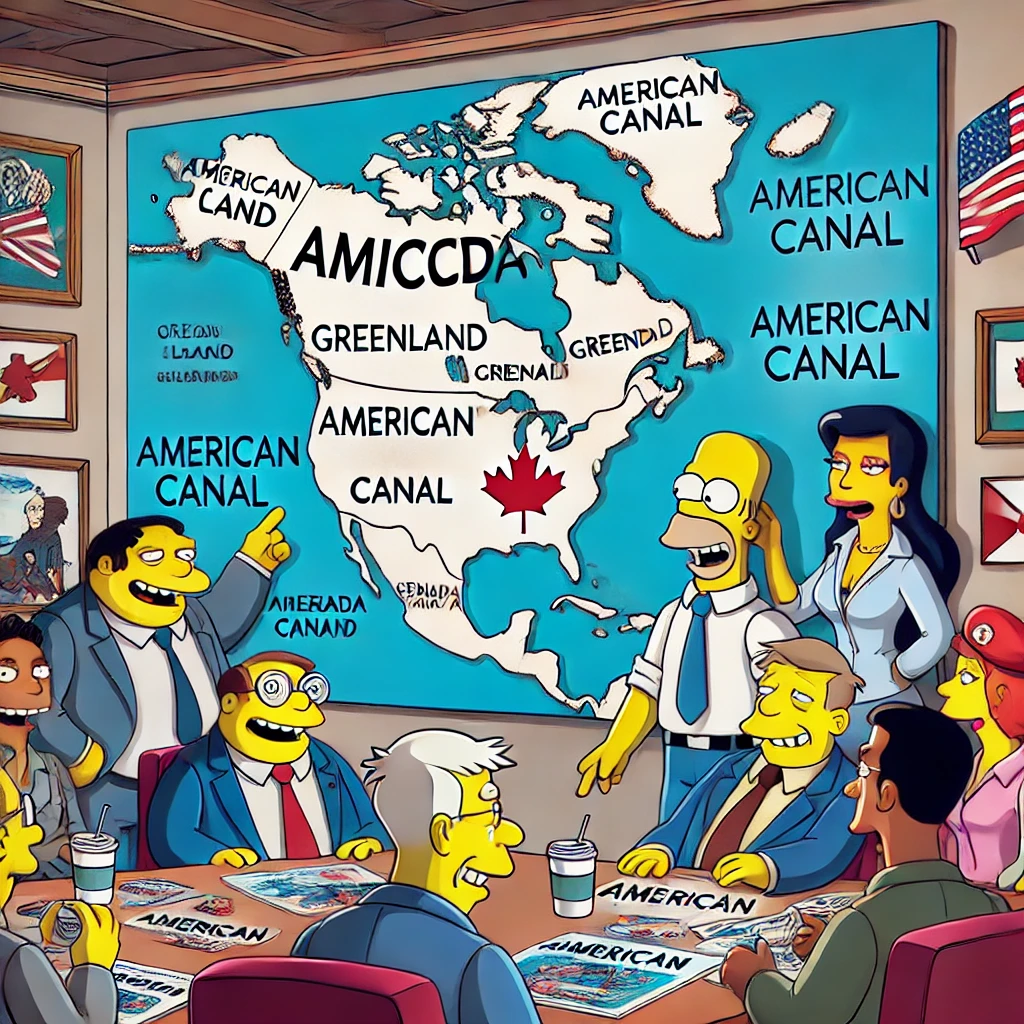
Meanwhile, the “annex Canada as the 51st state” jokes start flying, because in American politics, if Plan A fails, escalate to satire. It’s easier to imagine geopolitical expansion than to read an immigration FAQ.
The truth is simpler and less cinematic.
Moving countries is hard. Sovereignty is real. Housing is expensive almost everywhere. And political rage doesn’t override paperwork.
If nothing else, the Great Canadian Escape reminds us of one timeless George Carlin-style observation:
People love big ideas. They just hate small print.
And immigration law is nothing but small print.
—
DigitalMediaUSA.com
Serious analysis. Mildly sarcastic.