It’s a defining moment for the future of the internet,
-Watertown NY By Allen Pilon
Feb. 23, 2026
Governments in the United Kingdom, Canada and Australia are intensifying efforts to regulate and, in some cases, restrict speech on major social media platforms, prompting fresh debates over the balance between online safety and free expression.
In recent weeks, political leaders and regulators in all three countries have signaled a coordinated push to enforce stringent content moderation standards — with potential consequences that could include fines, content takedowns and even outright bans for platforms that do not comply.
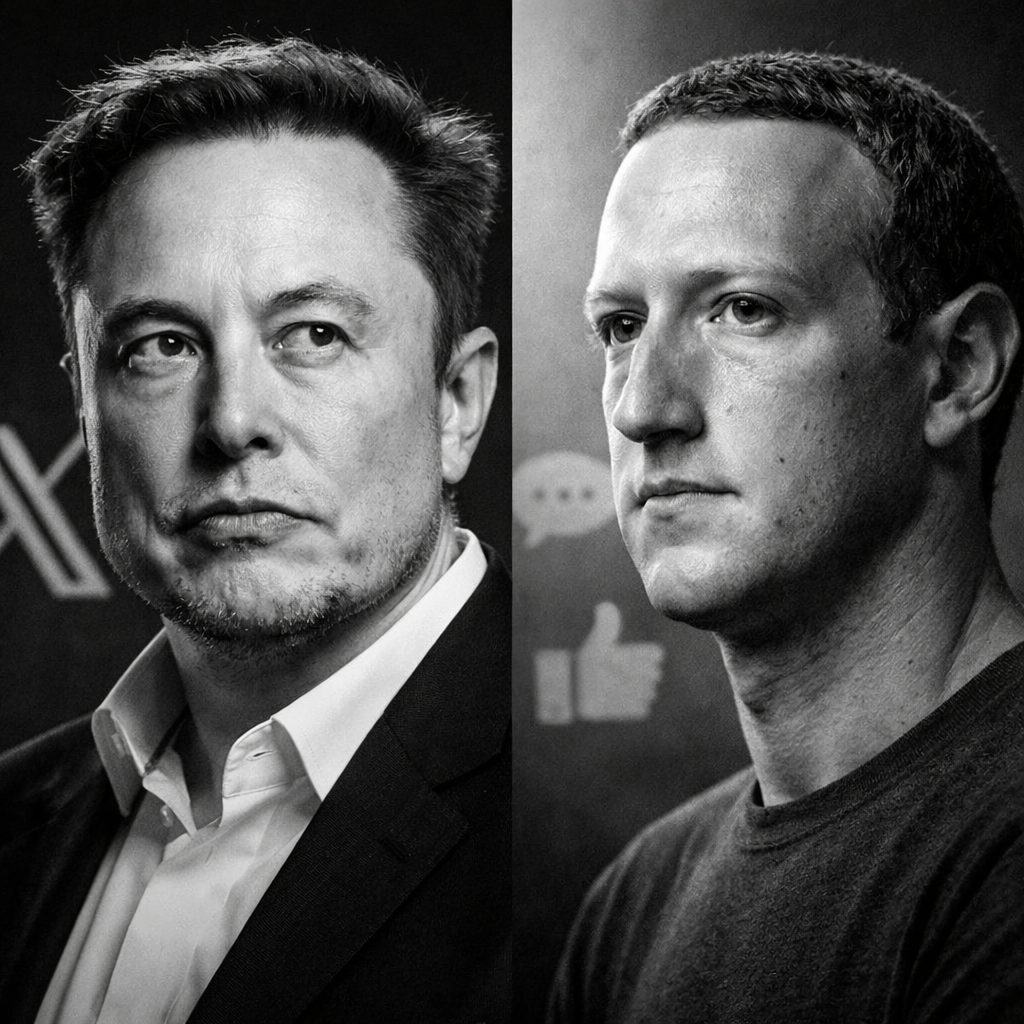
At the center of the debate is X, the platform formerly known as Twitter and now owned by Elon Musk. Officials have expressed mounting frustration with what they describe as the company’s insufficient response to harmful content, while critics of government action describe the moves as an unprecedented expansion of censorship powers.
UK’s Online Safety Act and Regulatory Teeth
In the United Kingdom, the government of Prime Minister Keir Starmer has stood by the Online Safety Act, legislation first passed in 2023 that grants the communications regulator Ofcom broad authority to police online content. Under the act, Ofcom can impose fines — in some cases up to 10 percent of a company’s global revenue — and order the blocking of websites that fail to meet statutory safety standards.
Supporters of the law say it is necessary to protect vulnerable users from violent, extremist and abusive content. Critics, however, argue that the legislation’s broad definitions of “harmful” speech risk suppressing legitimate political discourse and could force platforms to over-moderate to avoid punitive action.
Australia’s Response After Bondi Attack
In Australia, the government of Prime Minister Anthony Albanese has renewed pressure on social platforms in the wake of last month’s Islamist-motivated attack near Bondi Beach. Australian officials, including the nation’s eSafety Commissioner, have publicly condemned certain content on X and called for more aggressive enforcement of online safety standards.
“The proliferation of violent and hateful material online directly undermines community cohesion and public safety,” Commissioner Julie Inman Grant said in a statement last week. Government sources confirmed that Australian regulators have opened formal probes into X’s compliance with national law.
Canada Weighs Its Options
In Ottawa, Minister of AI and Digital Innovation Evan Solomon has maintained that Canada is not preparing an immediate ban on X, but officials acknowledge the country is actively engaged in ongoing discussions with UK and Australian counterparts about harmonizing regulatory approaches.
Canadian policy documents seen by The Times indicate that officials are especially focused on mechanisms for rapid global content removal in response to flagged harms, including misinformation, hate speech and threats to public order.
A Broader International Trend
Taken together, these developments reflect a broader international trend in which democratic governments are asserting greater control over digital platforms. Proponents argue that such regulation is needed to protect democratic norms and vulnerable populations. Detractors, including civil liberties groups, warn that the expanding regulatory apparatus could fragment the internet and stifle free expression on contentious issues such as immigration policy, public health and national security.
Estimates from UK law enforcement suggest that more than 12,000 arrests have been made under sections of the Online Safety Act for content judged “offensive” or illegal — a figure cited by critics as evidence that enforcement may be sweeping too broadly.
Platforms at a Crossroads
Executives at Meta, X and other global platforms now face difficult choices: either adapt to a patchwork of national regulatory regimes with potentially conflicting requirements, or risk being partially or wholly blocked in major markets.
“It’s a defining moment for the future of the internet,” said one technology policy expert. “Governments are making clear that they expect compliance, but the consequences for free expression — and for global digital infrastructure — are still very much up in the air.”
About the Author