By Hans Wilder
Sometimes it takes a soccer tournament to tell a much bigger story.
Fans from around the world arrived in North America expecting to compare stadiums, teams and atmospheres. Instead, many left talking about something else entirely: concession prices.
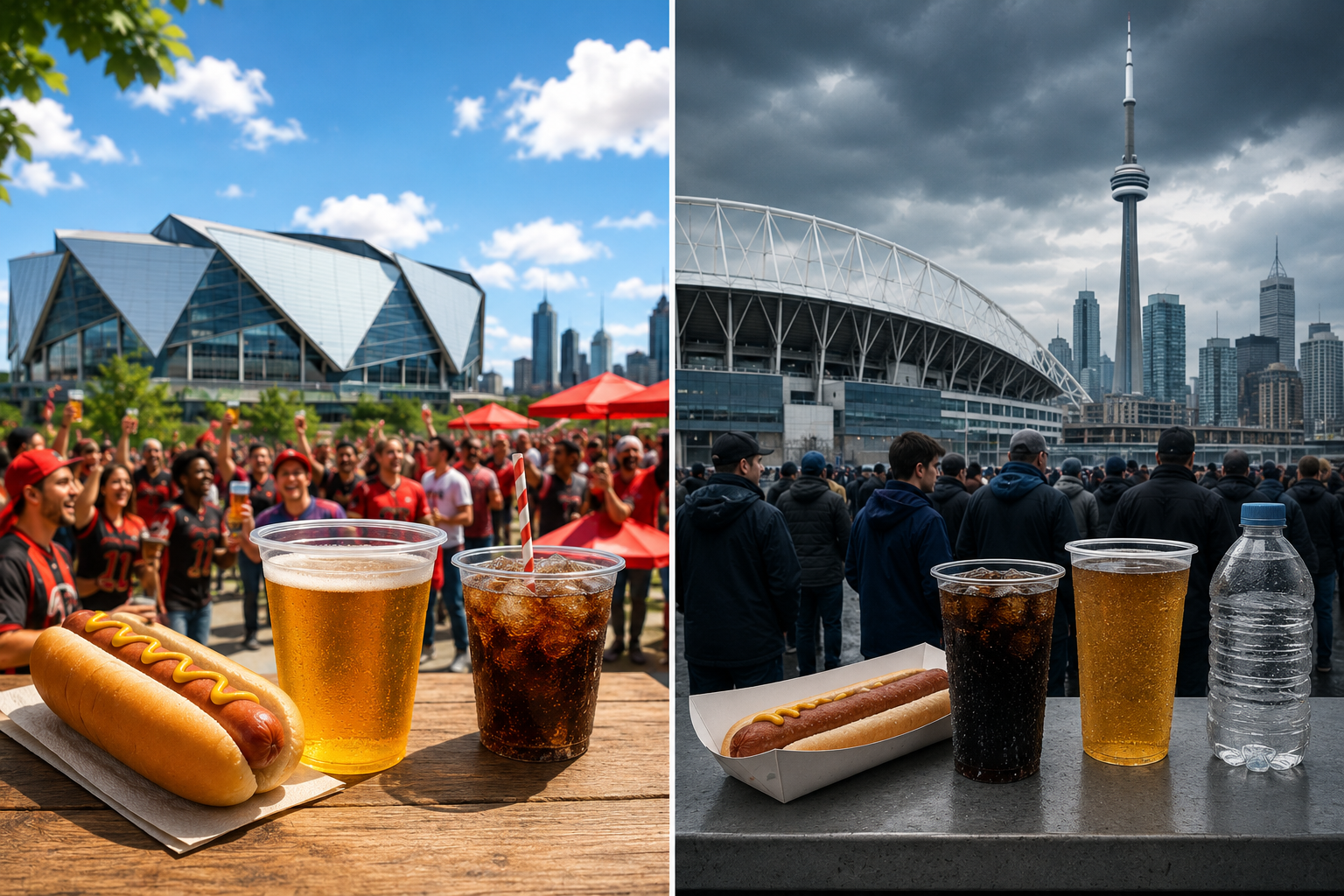
In Atlanta, a hot dog costs about two dollars. A domestic beer can still be found for under ten bucks. Mercedes-Benz Stadium made a decision years ago that fans shouldn’t need a second mortgage just to eat lunch during a game.
Then there is Toronto.
Reports from World Cup visitors describe paying more than C$24 for a beer and seeing menu prices that have left many international visitors shaking their heads. One fan from Germany summed it up perfectly, saying his beer cost roughly three times what he would pay back home. The complaints aren’t about soccer. They’re about affordability.
This isn’t really a story about hot dogs.
It’s a story about an economy.
When a simple stadium lunch starts feeling like a luxury purchase, people begin asking a bigger question: if this is what visitors experience during a showcase event, what are everyday Canadians dealing with?
Housing costs have climbed. Taxes remain high. Consumer prices have risen. Businesses continue facing mounting costs. Now one of the biggest international sporting events on the planet is giving millions of visitors a firsthand glimpse into that reality.
Atlanta demonstrates another approach.
The stadium there intentionally kept concession prices low because management believes happier fans spend more time enjoying the event instead of worrying about every purchase. It’s a philosophy that has earned praise across professional sports and now during the World Cup.
The contrast is striking.
One city seems determined to welcome visitors.
The other has visitors calculating exchange rates before ordering a beer.
Can Canada continue exactly as it has?
That depends on choices made by Canadians and their governments. High prices at a stadium alone don’t determine a country’s future, but they can serve as a highly visible symptom of broader affordability pressures. If those pressures continue without meaningful improvement in productivity, investment and economic growth, Canada will likely face increasing pressure to rethink its current economic path.
The World Cup may ultimately be remembered for spectacular goals.
But for many fans leaving Toronto, they’ll also remember paying more for a beer than they expected to pay for dinner.
Sometimes the scoreboard isn’t the biggest story.
Sometimes it’s the concession stand.