Trump Floods the SPR, but Oil Still Won’t Break — The Strait of Hormuz Is Now the Real Battlefield
By Joel Pilon
Digital Media USA | March 28, 2026
President Trump moved fast on energy, authorizing a 172 million-barrel release from the Strategic Petroleum Reserve as the war with Iran sent shockwaves through global oil markets. The administration’s message was simple: put more barrels into the system, calm traders down, and stop a Middle East war from turning into another direct hit on American drivers. The release was part of a broader coordinated move involving IEA countries, and it came as oil infrastructure fears and shipping disruptions pushed crude sharply higher.
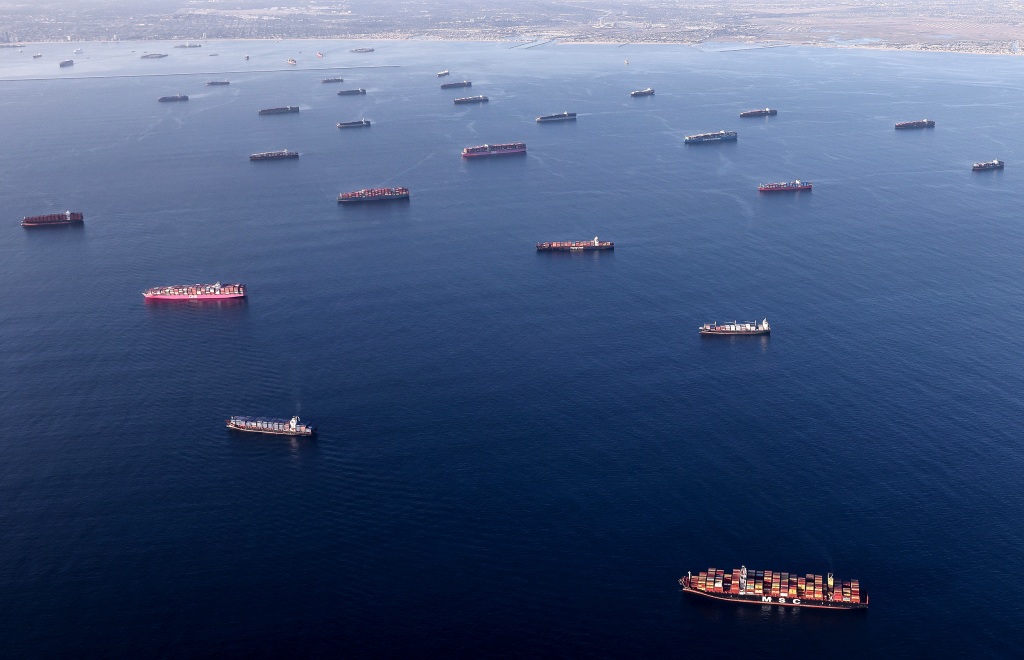
But here is the problem: the market is not reacting the way a normal supply story would suggest. Prices have stayed elevated because this is no longer just about how much oil exists. It is about whether that oil can move. Roughly one-fifth of the world’s oil and gas trade passes through the Strait of Hormuz, and the war has turned that chokepoint into a global economic pressure valve. Barclays warned that a prolonged disruption there could knock out 13 to 14 million barrels per day, which explains why traders are still nervous even with Washington trying to add supply.
That is where London’s insurance market enters the picture. Reuters reported earlier this month that war-risk premiums in the Gulf surged from around 0.25% to as high as 3% in some cases, with later reports and industry estimates putting quotes for some ships in the 5% to 10% range. That is not pocket change. On a supertanker, those costs are enough to make shipowners think twice, delay voyages, and tighten real-world supply even before a single barrel is lost.
Still, let’s keep the record straight: there is no solid public evidence that Lloyd’s of London is orchestrating some deliberate anti-American sabotage campaign. In fact, the Lloyd’s market association said war insurance remains available and argued that safety fears, not insurance availability alone, are the main reason vessel traffic has dropped. Reuters also reported that Lloyd’s market officials have been engaging with the U.S. government over plans to restore shipping confidence.
That does not make the political reality any less brutal. Trump can release millions of barrels from the SPR, but if ships are stalled, rerouted, or priced out by war-risk costs, the intended relief gets blunted before it reaches the pump. That is not a conspiracy; that is the hard truth of global energy. The oil market is a pipeline, a map, a fleet, and an insurance contract all at once. When one artery locks up, the whole body feels it.
Meanwhile, the broader war is very real. Reuters and AP both report that the U.S.-Israel conflict with Iran has expanded dramatically since February 28, with strikes, retaliatory missile attacks, regional spillover, and major disruptions to shipping and energy flows. President Trump has spoken in sweeping terms about reshaping the region, while his administration has also explored ways to keep oil moving, including maritime insurance support and other stabilization measures.
So the political takeaway is straightforward. If the White House wants lower energy prices, releasing reserve oil is only one piece of the job. The other piece is restoring confidence that cargo can move through the Gulf without turning every tanker captain into a roulette player. Until that happens, the market will keep pricing fear right into every gallon.
That is the new reality: not just oil scarcity, but oil insecurity.
And that is why this fight is no longer only about Tehran. It is also about who controls the systems around energy, finance, shipping, and risk. Trump opened the reserve. Now Washington has to prove it can open the route.